The A-Z of Badvertising
Ever wonder why the climate keeps getting worse with wildfires and floods even though we know what needs to happen?
Ever felt you’ve been sold a dud by advertising
Did you know fossil fuel companies have a record number of deals promoting themselves with ad agencies, just as weather extremes with wildfires and floods are breaking records too?
Let the A-Z of Badvertising spell out how advertising messes with your mind and promotes pollution - from oil companies, to airlines and SUVs - and is making everything worse…

Prompting action with life-saving public information campaigns to fill the silence from governments
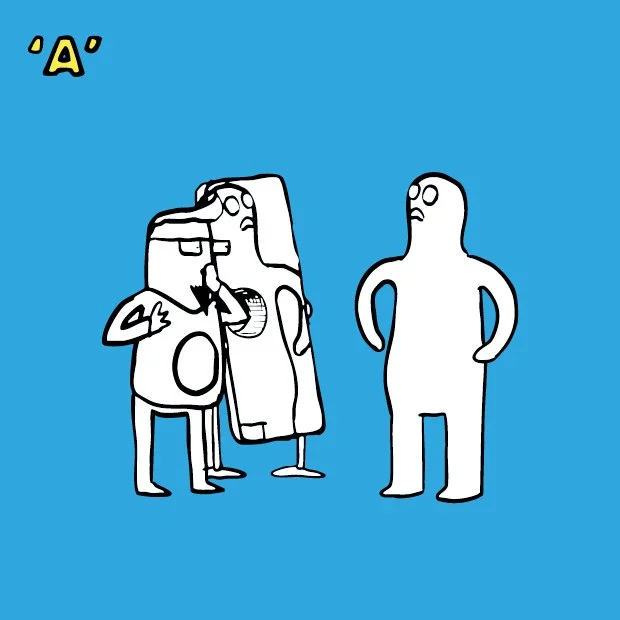
‘A’ is for advertising
The industry making people feel incomplete unless they buy stuff.
It's everywhere, inescapable and often hidden. It uses every psychological trick in the book to manipulate you, and is constantly developing new, insidious ones. Its techniques are so refined that even when you're not consciously aware of ads, your brain is reading and being influenced by them. Their job is to make you feel incomplete unless you spend money on 'stuff', whether you need it, can afford it, if its bad for you or will ever make you feel better.
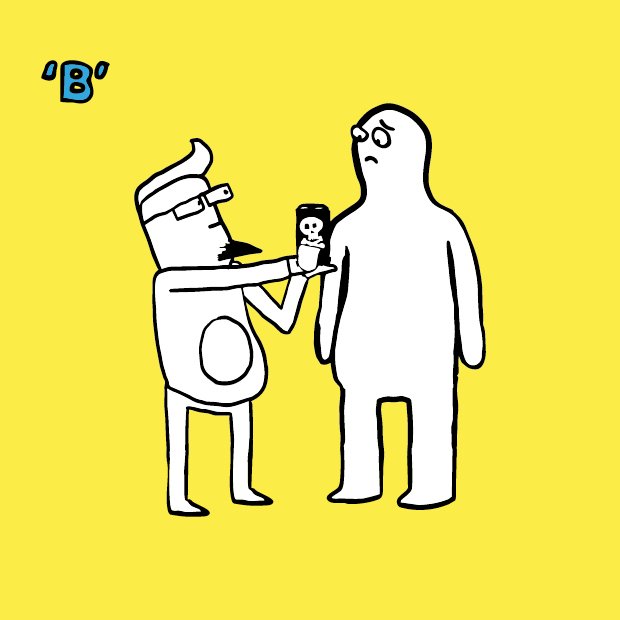
‘B’ is for badvertising
Persuading people to buy stuff which is against their own interests.
Homes and nature torched by wildfires on a heating planet, generations suffering ill-health due to the spread of junk and ultra-processed food, or families ripped apart by gambling addiction – while society wrestles with these huge life-and-death problems, parts of the advertising industry deliberately make them worse by actively promoting the polluting, unhealthy and addictive products responsible. That’s Badvertising. Against it, advice from scientists and health professionals hardly stands a chance.
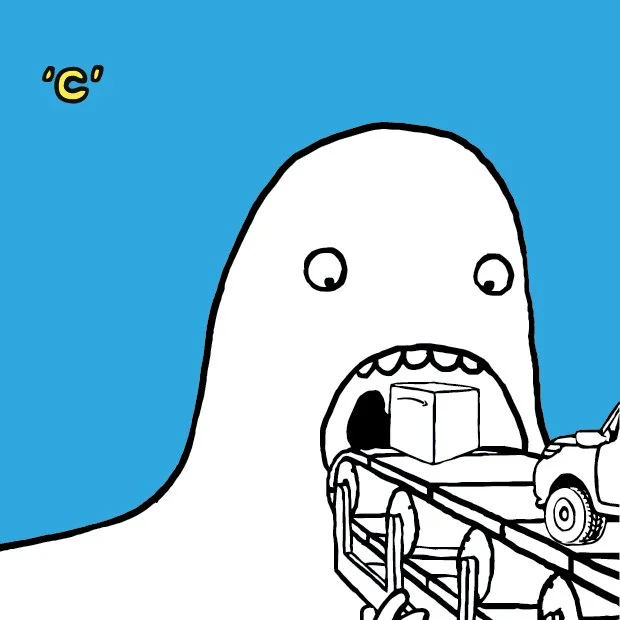
‘C’ is for Consumerism
The myth that more stuff will make you happy (the preoccupation of society with the acquisition of consumer goods).
Consumerism is the 'big lie' that the path to happiness once your basic needs are met is to accumulate more stuff. While this might make the rich richer, the inconvenient truch backed by a tonne of research is that passed this point what really raises your well being are things like spending time with people you like, being active, learning things, taking notice of the world, and giving to others. Adverts push consumerism's materialistic values that instead make you worry about status, appearance and be self-obsessed - all things likely to make you less happy because they don't satisfy core human needs.
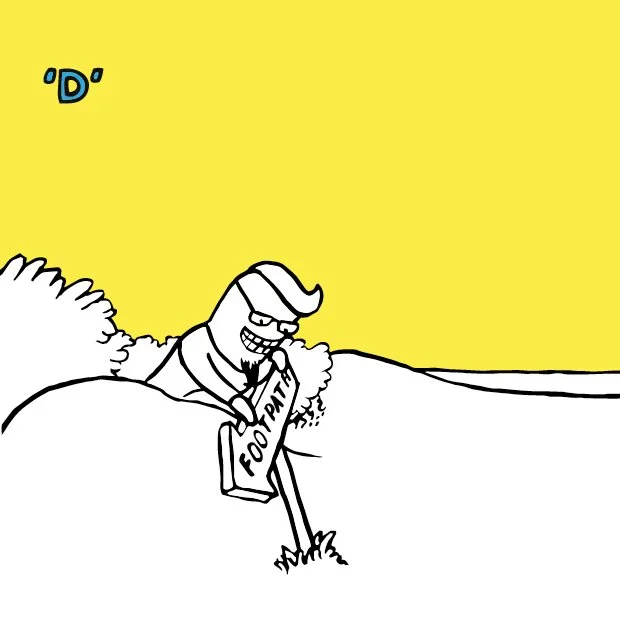
‘D’ is for Disinformation
When adverts over-promise and hide the downside (false information which is intended to mislead).
Ever wonder why oil company adverts are full of pictures of wind power, or SUV ads show these giant cars cruising alone on open country roads? It may seem odd when oil companies have tiny involvements in renewable energy and many are ditching even those, and when most SUVs are sold to people in towns, going on to spend their time clogging grid-locked city streets. The reason is that most ads are a combination of spin, mis-and-disinformation. They over-promise and hide a product’s downside. Next time you see an ad for red meat with green fields or happy dinner tables, ask what it’s not showing (which could be anything from river pollution, to carbon emissions or the slaughterhouse).
‘E’ is for Early exposure
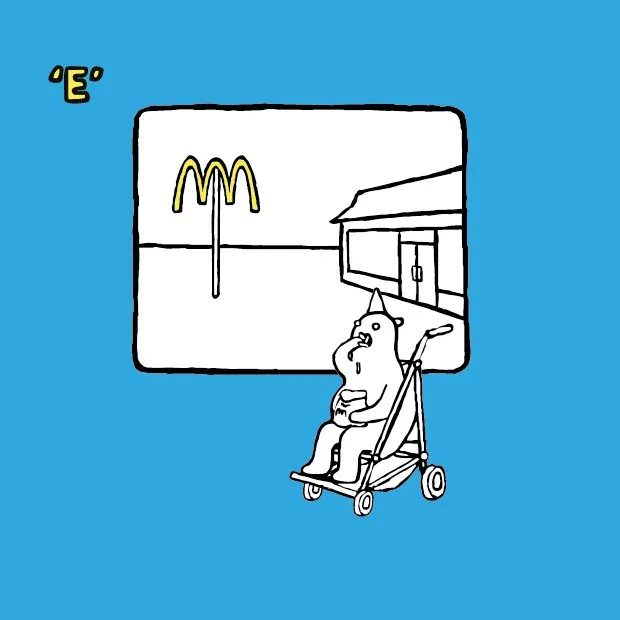
Watching just 5 minutes of junk food advertising makes children consume more calories. Ads work on kids as young as two and can influence habits for life.
Early exposre to advertising can have life-long damaging consequences. Two years old children are ‘brand aware’, able to recognise the logos of companies and products like McDonald’s (fast food), Lay’s (crisps), Wall’s (ice cream), M&Ms (sweets), Cheetos (ultra-processed snacks), and also the oil company, Shell, and Camel cigarettes. Following exposure to television advertising, pre-school children recognise more unhealthy food brands than healthy ones.
Recognition of unhealthy food brands goes up significantly between the ages of three and four years old. Children as young as three judge each other based on the brands they possess.
‘F’ is for Facebook
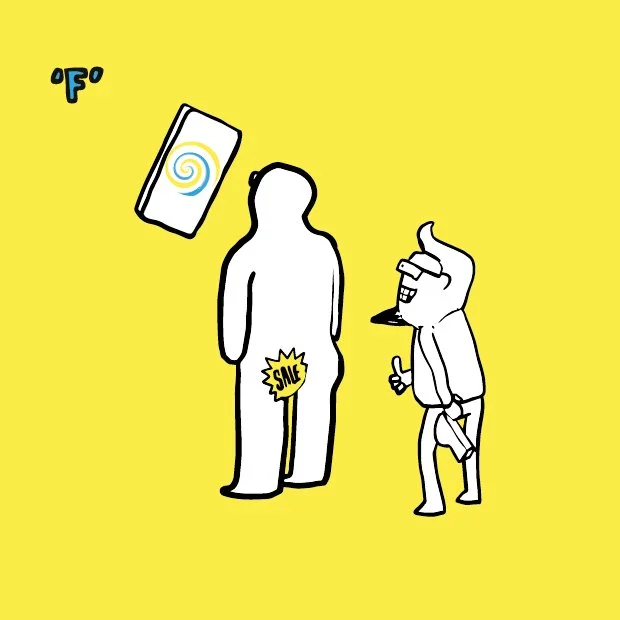
Almost ALL Facebook’s money comes from advertising. You are the product being sold to advertisers. Feel okay about it?
The ‘vast majority’ of Facebook's $113 billion revenue came from advertising in 2022. The company uses digital surveillance to stalk the online activity of its over 2.4 billion users, mostly in order to target advertising - as does Instagram, Google and YouTube. It even cross references you with your online contacts... so if your Facebook friend buys a product, you'll likely see ads for it too. Facebook tracks your whereabouts too, so it knows to send you hyper-local ads.
We know that social media algorithms, including Facebook's, like and tend to promote extreme content. This can mean that hate and division get pushed just to maximise ad revenue.
‘G’ is for Greenwash
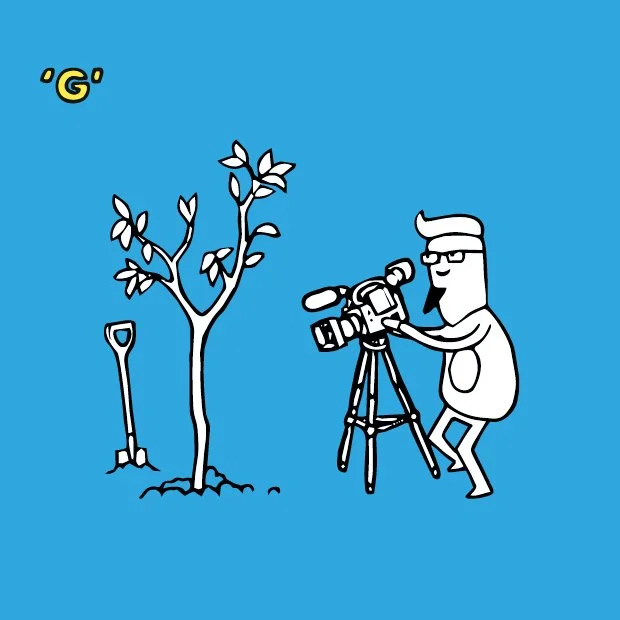
Which wash makes you more dirty? Greenwash! The worse polluters get, the more they pretend to be green.
Whether its oil companies misleadingly showing wind power in their ads, or smoky airlines boasting about plastic recycling, greenwash is when big polluters try to make themselves look clean and green. It can go hilariously but tragically wrong, like when the airline-sponsored football club Manchester City rewarded fans who recycled their plastic cups with free, polluting air miles. Global football body FIFA, sponsored by one of the world’s biggest oil companies, got slapped down by regulators for the unlikely claim that its 2022 World Cup in Qatar was carbon neutral. It couldn’t back that claim with proof.
Greenwash can be subtle and you have to be sharp to spot it, like when Coca Cola, repeatedly one of the biggest global plastic polluters, promoted its lower calorie ‘Coca Cola Life’ drink, with a green label, included the word ‘natural’ in the advert copy, and showed a glass, not plastic bottle. Similarly the term ‘sustainable’ is often used without evidence to back it up. Fast fashion giant H&M were reported when 96% of their green claims didn’t ‘hold up’.
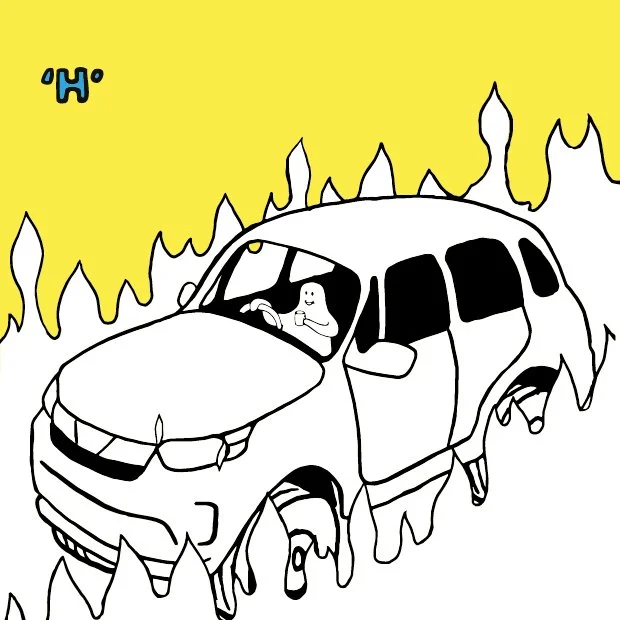
‘H’ is for Hypernormality
When adverts make the abnormal seem normal – like ignoring how what you buy is flaming the planet or made by underpaid, abused workers.
Why do high-polluting lifestyles seem normal? Because the ads selling them tell a story, but not the real or full one. When ultra-fast fashion trends are sold with upbeat music and images of beautiful people, what gets hidden are the conditions for workers in the factories where those clothes are mass produced. They also don't show the tonnes of discarded clothes filling landfill sites with textile waste. A burger ad won't show you the conditions for factory farmed animals because it would put you off your dinner. And climate polluting airlines won't show your holiday destination going up in flames due to global heating because you might want a staycation instead. It's in advertisers' interests to show us a airbrushed reality so we keep consuming.
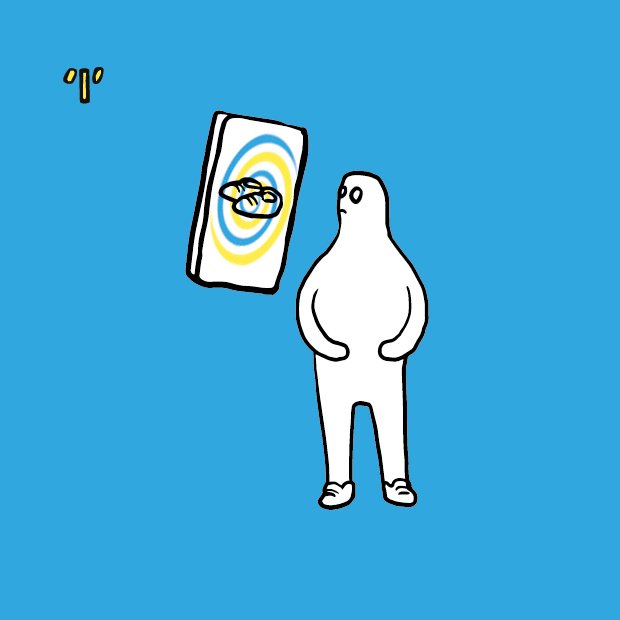
‘I’ is for Induced demand
How ads make you want things you don’t need.
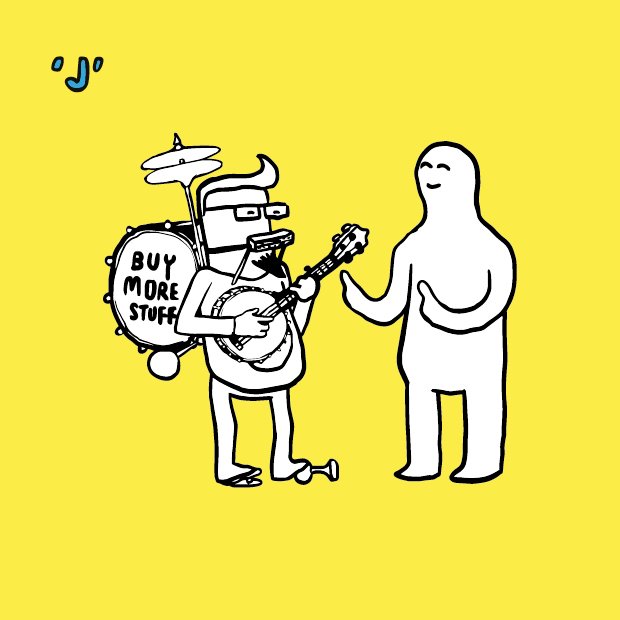
‘J’ is for Jingle
Jingles are ‘sound logos’ – a type of brain control you hear in 0.1 seconds and involuntarily thinks about the brand.
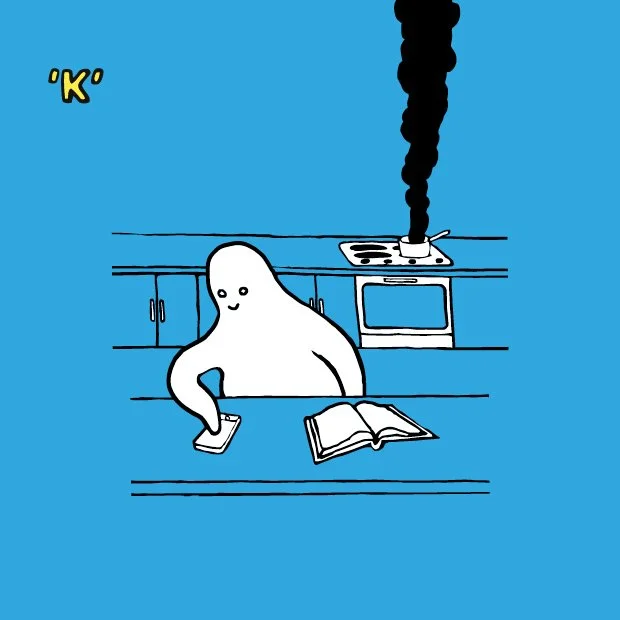
‘K’ is for Klaxon
Ding, ding, ding – notifications are the pickpockets stealing from your attention economy (turn them off).
‘L’ is for Legal
What adverts legally are supposed to be, but none selling harmful, polluting products are.


‘M’ is for Materialism
Confusion created by advertising that having more things will also make you happy (it doesn’t).
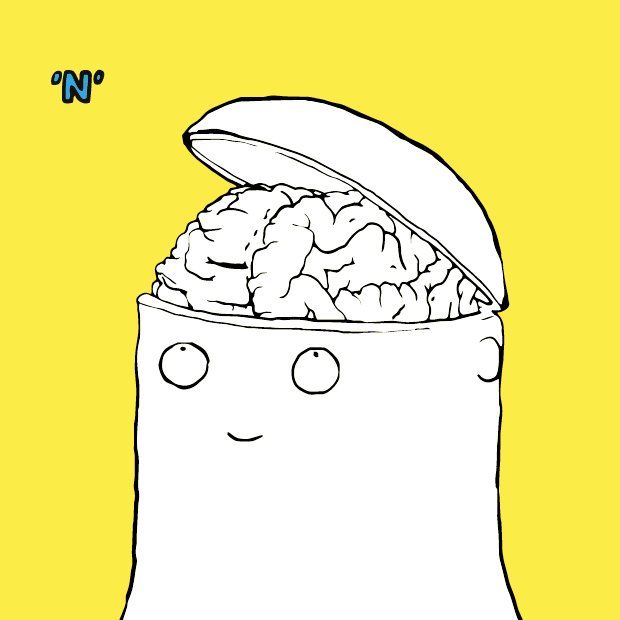
‘N’ is for Neuromarketing
How advertisers rewire your brain without your consent, and without you knowing.
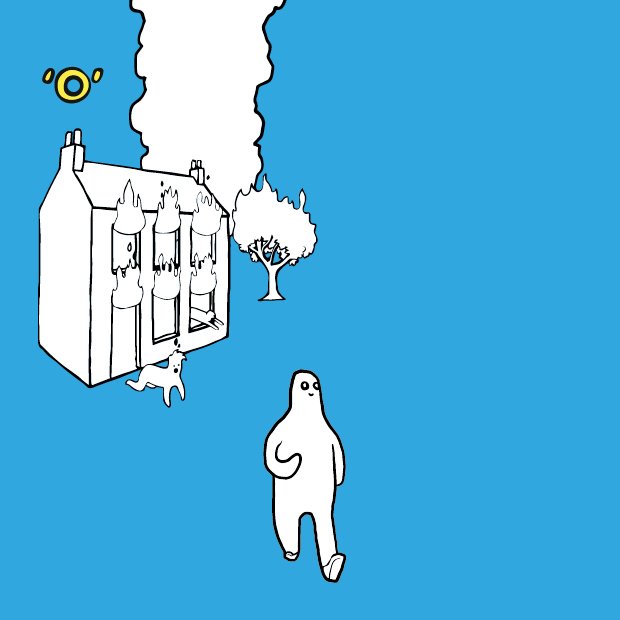
‘O’ is for oblivious
How advertising deliberately distracts you from the consequences of consuming, and makes us oblivious to the impact on the world.
‘P’ is for Propaganda Public relations
Little known fact – propaganda and psychological warfare techniques were rebranded as ‘Public Relations’ by early exponent Edward Bernays.

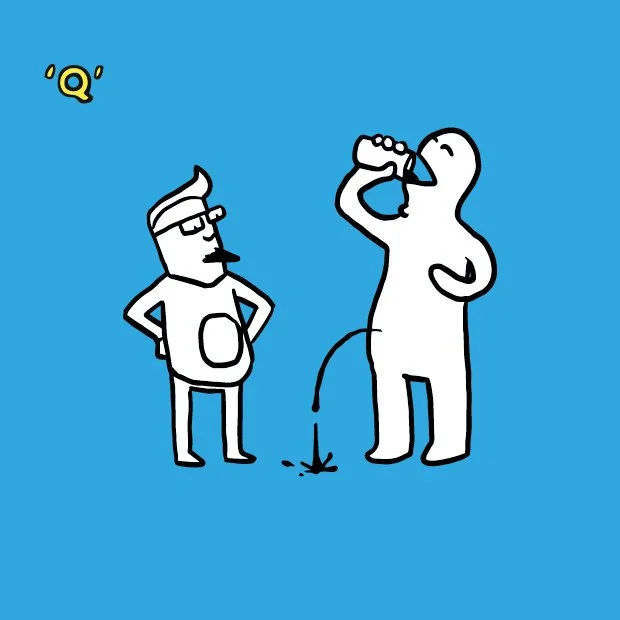
‘Q’ is for Quench
Advertising provokes a thirst that can never be quenched – it aims to make you dissatisfied despite the happy faces.
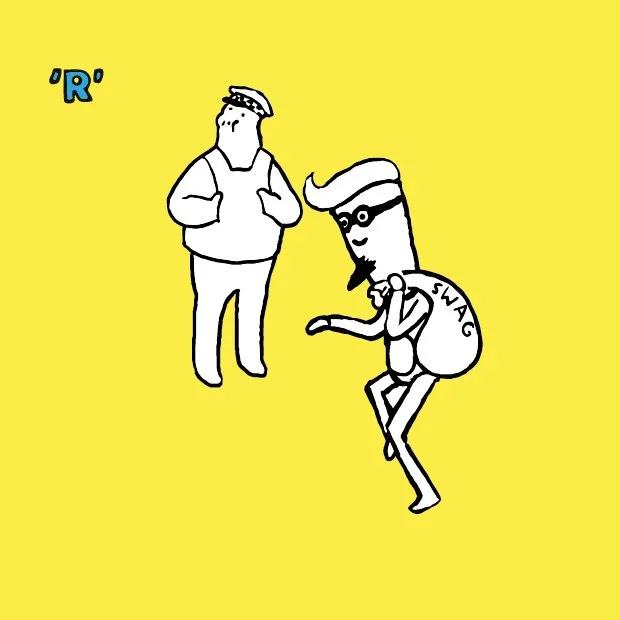
‘R’ is for Regulator
How the ad industry pretends to police itself.
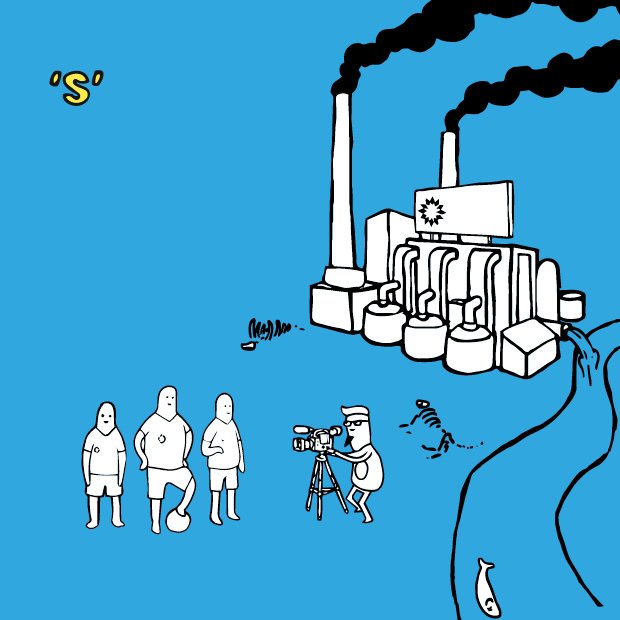
‘S’ is for Social licence
Companies selling the most harmful products need public approval, or ‘license’, to keep doing business. They buy this is through advertising and sponsorship.
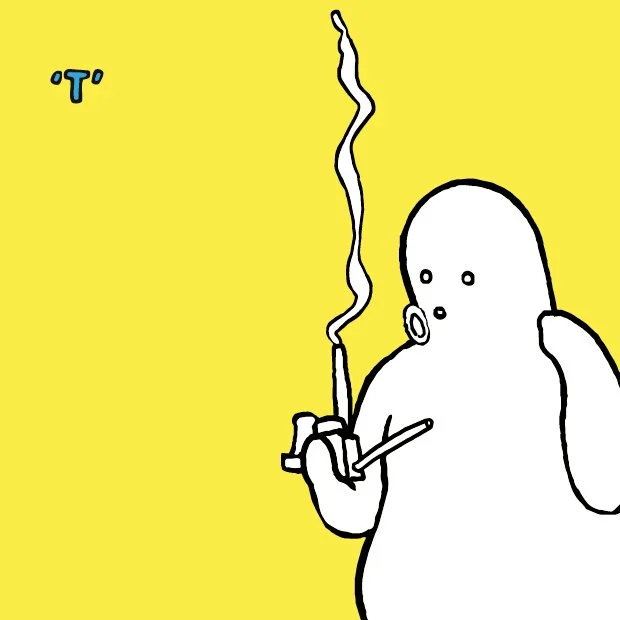
‘T’ is for Tobacco
We banned tobacco ads to save lives. Now fossil fuels kill as many (if not more), its time to learn the lesson and stop promoting pollution.
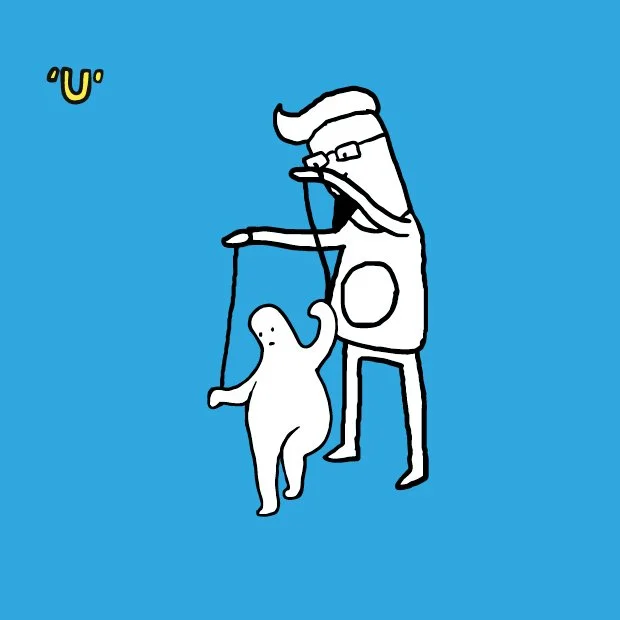
‘U’ is for Unconscious
Think you an ignore ads? Your brain unconsciously reads them in a fraction of a second. Aware or not, ads are pulling your strings.
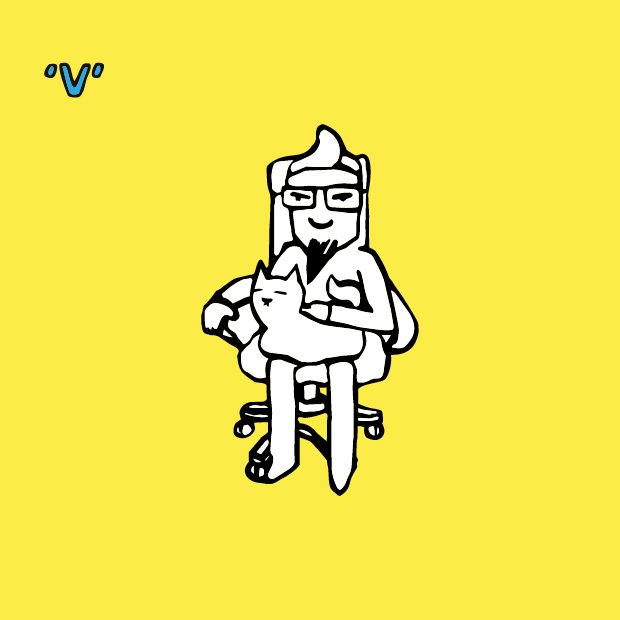
‘V’ is for Villainy
The ad industry’s big chief once said, “I would rather be thought of as evil than useless.” Unless we stop them they’ll keep selling stuff that’s too much for the planet and bad for people.
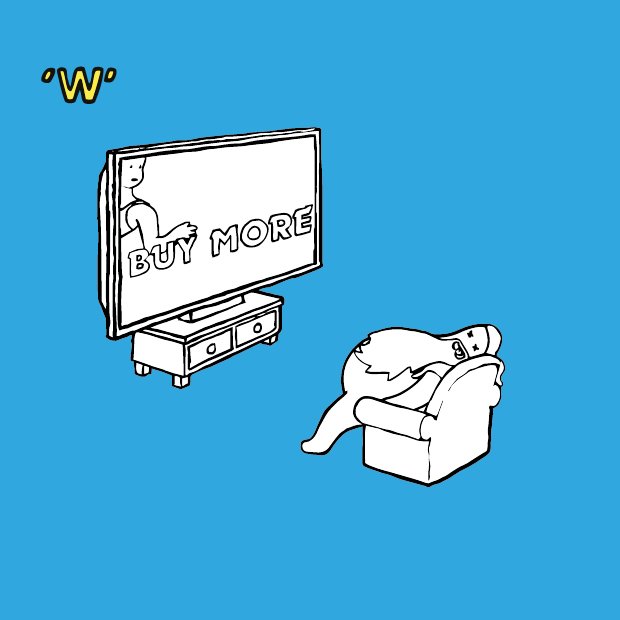
‘W’ is for Wellbeing
Ads are full of people smiling, laughing and having a great time, odd that report after report shows exposure to ads is bad for our wellbeing.
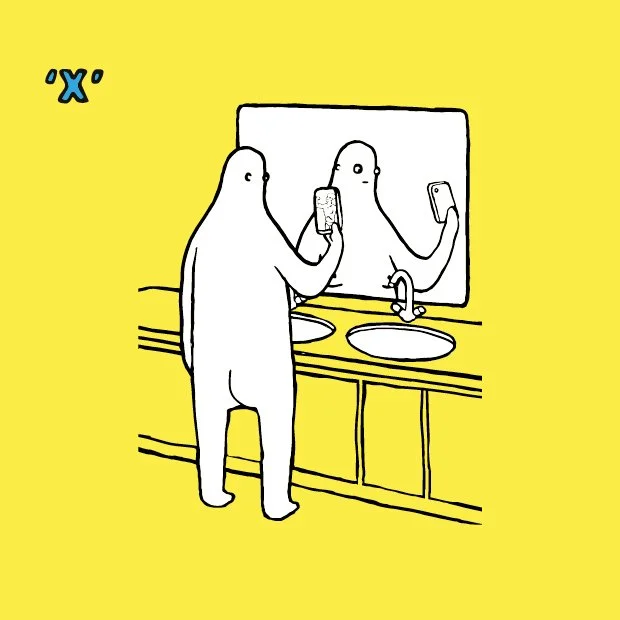
‘X’ is for Xtrinsic values
By making you worry more about image, status and wealth – so called extrinsic values – ads create and exploit endless insecurities.

‘Y’ is for Yearning
The feeling of wishing for something elusive that adverts promise you but can never provide.
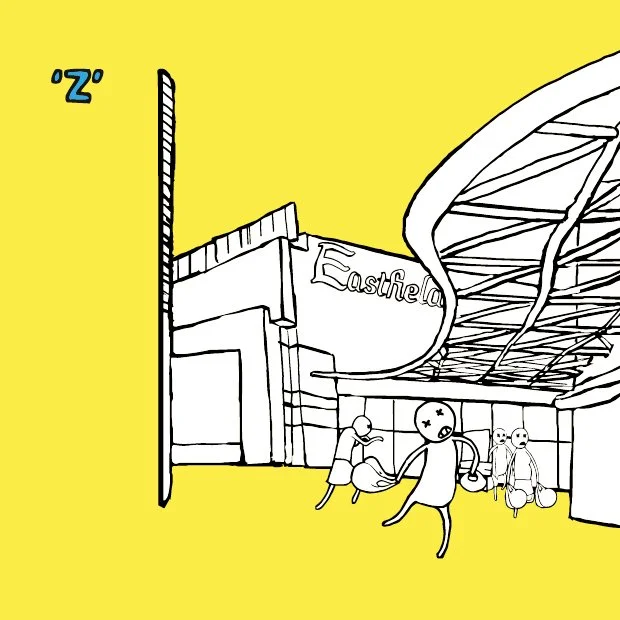
‘Z’ is for Zombie
A condition created by over-exposure to advertising and the zombie economics of consumerism.
Our International Campaign


